

































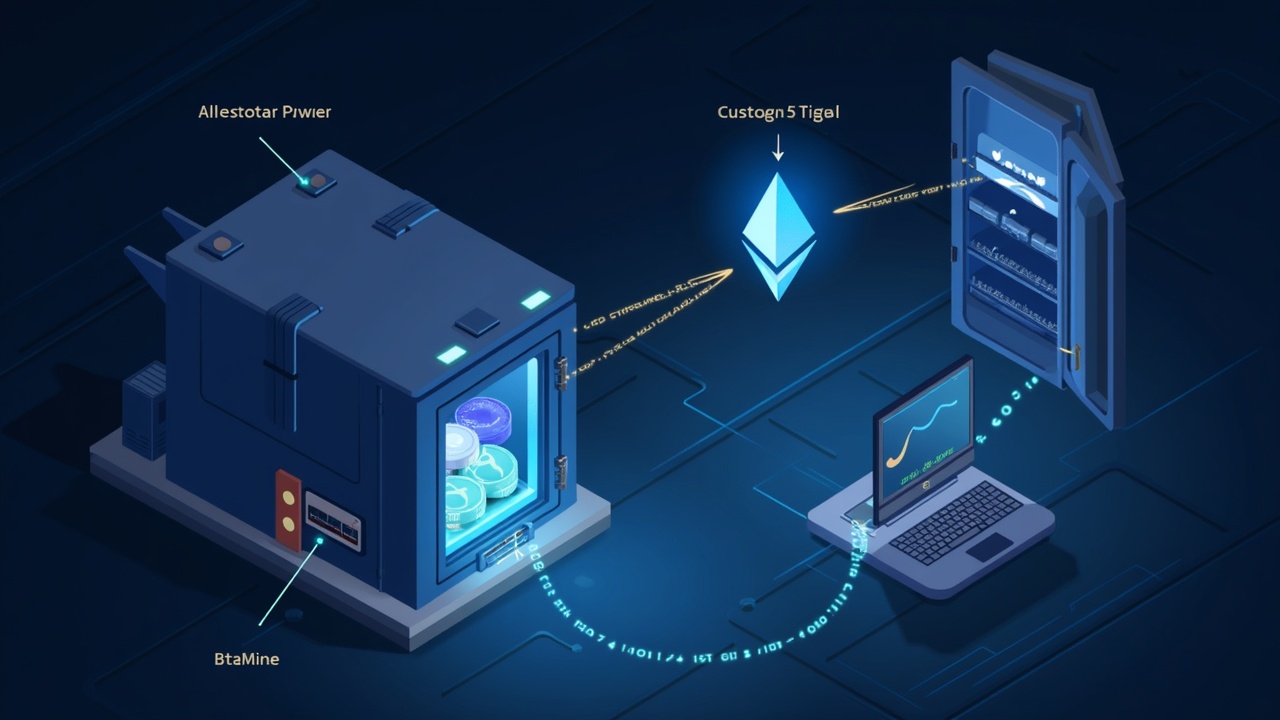
The Ethereum Foundation sold 5,000 ETH to BitMine Immersion Technologies in an over-the-counter transaction on March 14, 2026, converting part of its treasury into about $10.2 million in cash. The transaction shows the Foundation using direct institutional liquidity to fund its work without relying on open-market execution.
The sale was priced at an average of $2,042.96 per ETH and was completed directly with BitMine, making it a notable transfer between one of Ethereum’s central ecosystem institutions and a large corporate buyer. The deal immediately connected treasury management on the Foundation’s side with accumulation strategy on the buyer’s side.
1/ This sale funds the EF’s core operations & activities, including protocol R&D, ecosystem development, community grant funding and more.
The onchain tx will be from this EF @safe multisig: 0x9fC3dc011b461664c835F2527fffb1169b3C213e
— Ethereum Foundation (@ethereumfndn) March 14, 2026
Why the Sale Matters Beyond the Transfer Itself
For the Ethereum Foundation, the purpose was straightforward. The proceeds are intended to support core operations, protocol research, and ecosystem grants, linking the sale directly to the organization’s ongoing funding needs.
For BitMine, the purchase fits into a much larger balance-sheet strategy. The company already holds 4.285 million ETH and has said it is pursuing an accumulation target equal to roughly 5% of total ETH supply, which makes this transaction look like one step in a broader treasury build rather than an isolated buy.
That dynamic gives the transaction broader significance than a routine OTC trade. When a major ecosystem steward sells tokens directly to a concentrated institutional holder, the trade becomes part of a larger conversation about market influence, treasury discipline, and concentration risk.
Some market participants also noted short-term selling pressure on ETH after the transfer. That reaction reflects how large treasury reallocations can still affect sentiment and liquidity even when the transaction is handled off-exchange.
The Compliance and Custody Questions Are Immediate
A transfer of this size also carries clear operational obligations for intermediaries, custodians, and compliance teams. Large OTC crypto deals require reinforced KYC and beneficial-owner verification, transaction provenance records, and clean documentation of authority on both sides of the trade.
For the seller, governance matters just as much as execution. The Foundation will need clear segregation, record retention, and documented treasury rationale to show that the proceeds were handled consistently with its stated mission and use-of-funds expectations.
This deal is a reminder that concentrated OTC flows require strong reconciliation between off-chain settlement records and on-chain transfers, along with closer monitoring of large holders whose activity can alter liquidity and counterparty exposure.