





























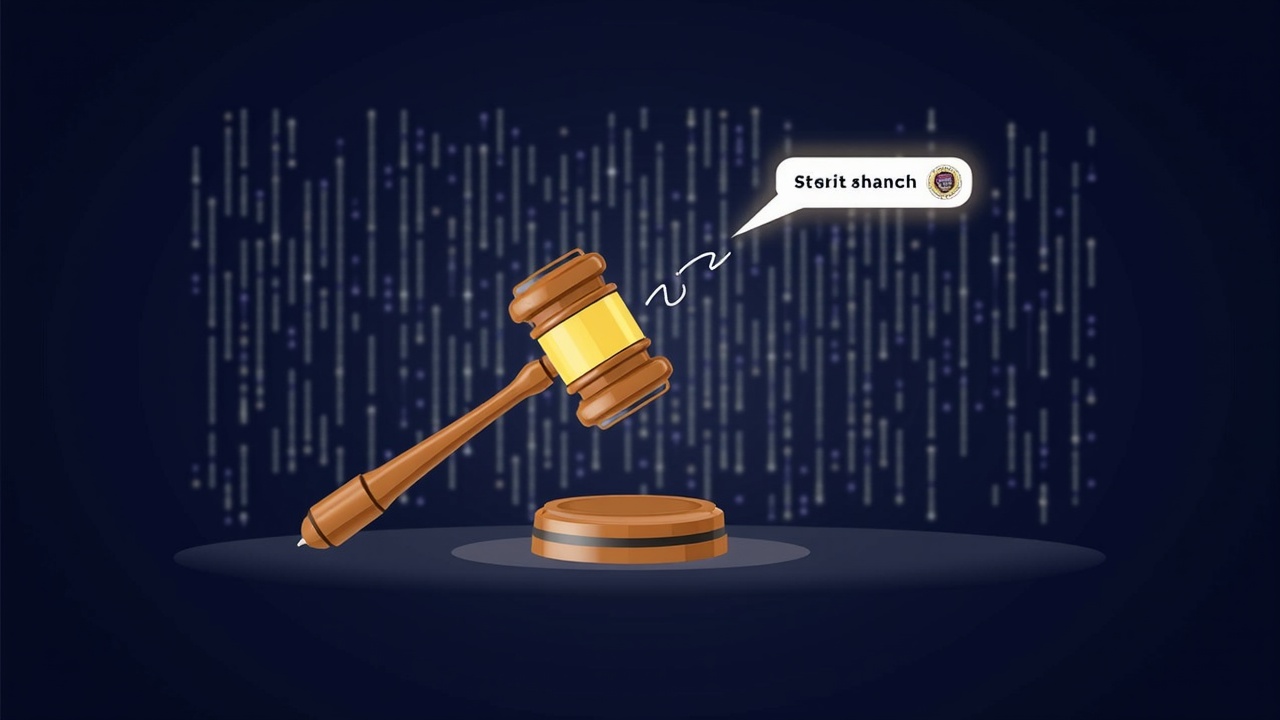
The DeFi Education Fund and Beba LLC have withdrawn their lawsuit against the U.S. Securities and Exchange Commission over the agency’s treatment of airdrops, choosing to step back as recent regulatory signals suggest the policy environment may be shifting. The dismissal reflects a calculated pause rather than a full retreat from the dispute.
The case was dismissed without prejudice, which means the plaintiffs preserve the option to bring it back if future SEC action fails to resolve the issues they originally raised. That procedural choice leaves the door open for renewed litigation if the regulatory direction proves disappointing.
1/ Today, Beba and DEF voluntarily dismissed their lawsuit against the SEC without prejudice. Given the good work done by the SEC Crypto Task Force and recent speeches that suggest a change in the Commission’s position regarding free airdrops, we decided continuing was… pic.twitter.com/VBqyIqYIPj
— DeFi Education Fund (@fund_defi) March 13, 2026
A Tactical Pause, Not a Final Resolution
The legal challenge began after Beba carried out a free token distribution in March 2024, an event the plaintiffs said highlighted a broader SEC pattern of relying on enforcement instead of formal rulemaking under the Administrative Procedure Act. At the center of the suit was the argument that the commission had been trying to regulate airdrops through enforcement actions rather than through notice-and-comment procedures.
The plaintiffs said they decided to pull back after seeing more engagement from the agency and more public discussion around the issue. They pointed to the SEC Crypto Task Force’s year-long work with market participants and to Commissioner Hester Peirce’s remarks suggesting that airdrops do not automatically qualify as securities.
That change in tone was reinforced at the executive level in January 2026, when the White House issued an action encouraging the SEC to explore a safe harbor or exemption framework for certain airdrop activity. The plaintiffs treated that directive as a meaningful reason to give the policy process more time before continuing the court fight.
Policy Work Now Becomes the Main Arena
From a governance perspective, the withdrawal shifts the immediate pressure away from the courtroom and back toward the agency’s internal policymaking process. For DAOs and protocol treasuries, the move reduces near-term regulatory pressure on token distribution mechanics without eliminating the possibility of future legal risk.
The development may give some projects more confidence to revisit token-distribution plans, incentive structures, and treasury proposals that had been delayed by regulatory uncertainty. Even so, any renewed activity will still depend on closely tracking official guidance to avoid creating fresh legal or governance vulnerabilities.
What comes next will depend on the SEC’s actual output rather than on broader signals alone. The decisive factors will be whether the Crypto Task Force produces formal guidance, whether any safe harbor language is adopted, and whether those steps provide enough clarity for token distributions to move forward with less regulatory ambiguity.