
































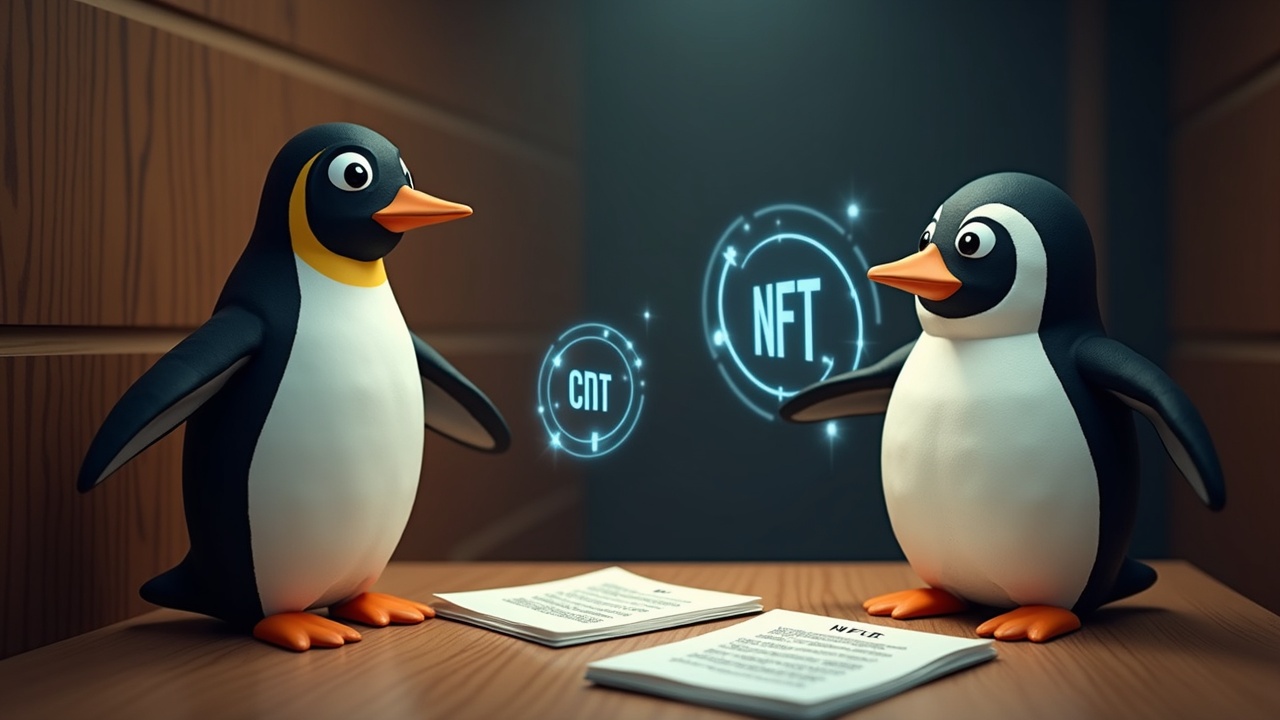
PEI Licensing, which controls the Original Penguin apparel brand, has sued Pudgy Penguins and Igloo Inc. in the U.S. District Court for the Southern District of Florida, filing on March 4–5, 2026 (Case No. 1:26-cv-21458). The complaint alleges trademark infringement, dilution, and unfair competition, arguing that Pudgy Penguins’ move from an NFT-native identity into apparel and plush toys created marketplace confusion with PEI’s long-standing penguin branding and generated more than $10 million in sales by 2024, as alleged in the filing.
At a high level, the case is a traditional IP enforcement story with a web3 wrapper: a legacy apparel licensor says a digital-first brand expanded into physical goods using penguin-themed marks that are too close for comfort, especially after prior warning shots.
What PEI says happened and why it’s suing now
PEI’s lawsuit is built around continuity and notice. It says it sent a cease-and-desist letter in October 2023 and later filed opposition notices with the USPTO in 2024, but claims the defendants kept pushing forward with penguin-branded merchandise and trademark activity anyway. That “we warned you and you kept going” narrative is central, because it supports a claim of willfulness and strengthens the ask for monetary remedies and injunctive relief.
PEI also anchors its argument in the depth of its brand history and trademark portfolio. It claims it owns 35 distinct “Penguin” marks, and it alleges Original Penguin has used a penguin device on apparel since at least 1956 and a word mark since 1967. The filing frames Pudgy Penguins’ merchandise and trademark efforts—under names including “Pudgy Penguins,” “Pengu Nation,” and “Forever Pudgy Penguins”—as creating an erroneous impression of affiliation with Original Penguin.
What PEI is asking the court to do
PEI is pursuing standard trademark-law remedies, but aggressively. It seeks disgorgement of profits, additional damages, and court action aimed at the defendants’ trademark pipeline, including rejection of pending trademark applications. It also wants destruction of allegedly infringing inventory and has demanded a jury trial. This is not positioned as a narrow label dispute; it’s an attempt to shut down product lines and block future brand expansion pathways.
Pudgy Penguins’ response and the core “confusion” fight
Pudgy Penguins’ chief legal officer, Jennifer McGlone, said the company was “surprised” by the lawsuit and that private discussions had been ongoing. She argued the marks are visually distinct, serve different audiences, and that the company had secured USPTO approvals for multiple trademark applications—a signal that the defense will likely lean on differentiation, market separation, and its own registration progress.
Outside counsel commentary captured the visual split the court will ultimately have to evaluate. Attorney Ariel Givner summarized it as a “skinny tux penguin” for Original Penguin versus a “round cartoon NFT penguin” for Pudgy Penguins, arguing the designs create a very different commercial impression. At the same time, she noted a potential complication for PEI: the word “penguin” is inherently generic, which can limit how broadly any one party can claim exclusivity over the term, especially where logos and overall branding differ.
That sets up the key legal question in plain terms: is this actually confusing to consumers in the real world—at the point of sale and in marketing channels—or is this two separate penguin concepts that simply share an animal theme? The answer will depend on evidence of confusion, the strength and scope of PEI’s marks, and how closely the parties’ products, channels, and customers overlap.
For web3-origin brands, this case is a reminder that brand transfer into physical retail is where IP risk stops being theoretical. NFTs can build a community fast, but once the project is selling apparel, toys, or consumer goods, it enters a mature enforcement environment where legacy licensors have deep portfolios and well-practiced litigation playbooks.
Operationally, the lesson is about discipline and documentation. Projects expanding into consumer goods should treat trademark clearance, licensing provenance, and communications history as core compliance artifacts, not as optional legal hygiene. Counterparties—marketplaces, distributors, and payment partners—may also start demanding cleaner diligence if they see increased enforcement against NFT-adjacent retail commerce.