





























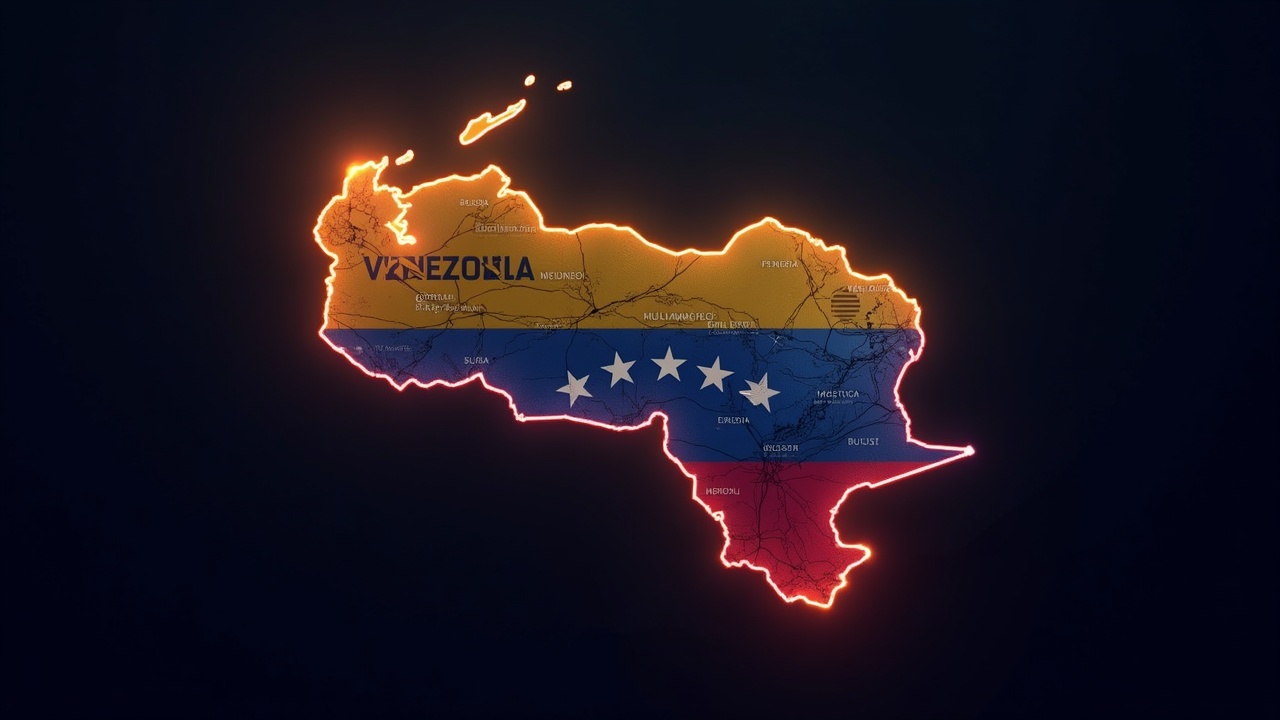
Peer-to-peer USDT quotes in Venezuela fell from roughly 900 bolívars to a 344–500 range in about two weeks, marking a drop of more than 40%. Analysts tied the swing to a sudden increase in foreign-currency availability linked to recent U.S. geopolitical actions and new oil agreements, alongside fading panic-driven buying.
The move followed an early-January surge that pushed some P2P quotes to the equivalent of $1.40 before reversing as traditional dollar flows re-entered the economy. In parallel, Venezuela’s IBC stock index was reported up more than 130% since January 3, 2026, after an exceptional 1,644% rise in 2025, a rally observers characterized as “hope and speculation, not confirmed outcomes.”
The gap between USDt (@tether) and the dollar’s rate dictated by Venezuela’s Central Bank continues to close.
This morning it dropped by almost 40%, now the advantage has shifted (for those who receive or earn in USDt) to around 24%, while those earning indexed to the BCV… https://t.co/3DSmMPWu2l
— Sultán (@elsultanbitcoin) January 16, 2026
Macro signals remain fragile
Macro indicators still looked conflicted even as the P2P premium cooled. Inflation and consumer prices were described as continuing to rise in January 2026, and the bolívar had lost more than 480% of its value against the dollar, sustaining black-market exchange gaps. Those conditions undercut any clean narrative of durable stabilization, despite a temporary easing in dollar scarcity.
The repricing also reinforced two operational realities for regulated actors. Centralized stablecoins can materially support cross-border flows, including commodity-linked receipts, but they remain exposed to freezing actions that can change counterparty reliability overnight. Market reporting cited stablecoins as settling roughly 80% of certain crude export receipts, while a single-day freeze of about $182 million in government-linked USDT highlighted enforcement reach and sanctions exposure.
Control priorities for regulated crypto firms
-
Custodians should tighten enhanced due diligence and identity controls when servicing counterparties with sanctions adjacency. Reserve transparency checks and escalation playbooks become non-negotiable when enforcement risk can reprice counterparty trust in a day.
-
Exchanges and PSPs should recalibrate monitoring and mandatory reporting to capture large stablecoin flows associated with commodity settlement patterns. The objective is to reduce blind spots in transaction provenance when flows migrate between banking rails and stablecoin rails.
-
Issuers should expect heightened compliance scrutiny because freeze events demonstrate how quickly token utility can be constrained by enforcement cooperation. Operational readiness and governance hygiene directly influence how markets price “reliability” in stressed jurisdictions.
For compliance teams, the contrast was instructive: a brief bout of local price relief did not translate into a lighter risk posture. The more rational read is that volatility in access and enforcement increases operational risk, so prudential obligations should tighten rather than relax.
Looking ahead, market participants and regulators will track further geopolitical shifts and enforcement actions because they can directly reshape liquidity and routing. Renewed dollar inflows or additional freezes would immediately affect liquidity, counterparty risk, and the viability of stablecoins in commodity-linked settlement flows. Transactional reporting and enforcement decisions are now the practical scoreboard for whether this correction reflects short-lived sentiment or a more persistent change in Venezuela’s dollar access and systemic risk profile.